Tell us about the property
Share your location and whether the building is a home, business, or another type of property.
Lead-based paint and other lead hazards require a considered approach. Delete 86 Environmental provides lead removal for residential and commercial properties, supported by certified professionals.
Talk to us about lead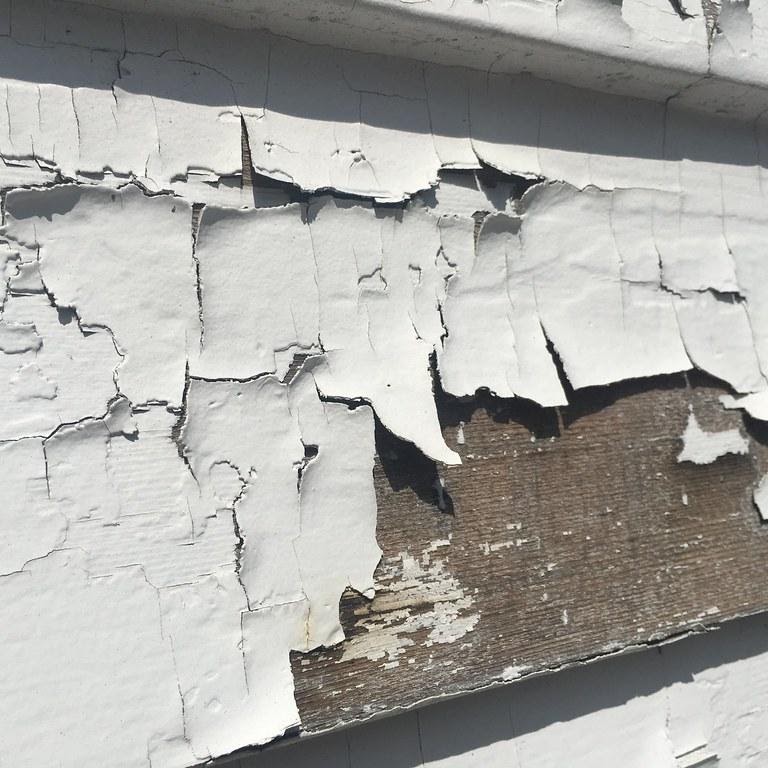
Our team uses professional removal techniques to address lead-based paint and other lead hazards. Whether you manage a commercial property or own a home, start with a conversation about the areas that concern you.
You don't need to have every answer before you call. Share what you know and we'll help you understand the next step.
Share your location and whether the building is a home, business, or another type of property.
Let us know which areas are affected and any information you already have about the issue.
Talk with our team about the work, your timing, and what comes next for your property.
Plan the work, protect the people in your property, and understand what comes after cleanup.
Homes and apartments built before 1978 may contain lead-based paint. Peeling or chipping paint is a concern, and painted surfaces that rub together, such as windows, doors, and stairs, can create lead dust. Share the building’s age, any paint-testing results, and the areas you plan to disturb when discussing your project.
Exposure to lead-paint dust and chips can cause serious health problems. Children and pregnant people are especially vulnerable. Repairs and paint removal can spread contamination if the work is not properly controlled, including into rooms outside the work area or onto clothing and belongings.
The appropriate approach depends on the condition of the paint, the surface, and the project’s requirements. The state guide describes several options: controlling dust, stabilizing deteriorated paint, enclosing a surface, using a specialized encapsulating coating, replacing a painted component, or removing the paint. Some controls are temporary and require ongoing maintenance. A qualified professional can help determine which approach fits the property.
No. Encapsulation uses a specialized coating that bonds to the existing painted surface; ordinary repainting is not equivalent. Enclosure is a different approach that covers the painted surface with a durable barrier. Lead paint remains underneath these controls, so their condition must be monitored and future work planned carefully.
For work covered by EPA’s Renovation, Repair and Painting (RRP) Rule, ask for the firm’s RRP certification and the assigned certified renovator’s credentials. Other workers must be certified renovators or receive documented training from one. Lead abatement has separate certification requirements, so confirm which program applies to your project.
The RRP minor-repair exception generally covers six square feet or less of disturbed paint per interior room, or 20 square feet or less across the exterior. Work in the same room within a 30-day period is counted together. Window replacement, demolition of painted surfaces, and prohibited practices do not qualify for that exception. Small projects can still create lead dust; confirm the requirements before work starts.
Renovation, repair, or painting can disturb lead paint while improving a building. Abatement is work designed to permanently eliminate lead-based paint hazards. The two programs have different certifications and requirements. If a health department or another agency has ordered corrective work, confirm the proposed method with that agency before starting.
Source: EPA · Abatement and RRP · NYSDOH · Agency-ordered work
The federal RRP Rule generally does not apply when homeowners work on their own homes. Rental use, a home used for childcare, or buying, renovating, and selling homes for profit can change that. EPA recommends using a lead-safe certified contractor. A regulatory exception does not remove the risk of spreading lead dust or the need for safe work practices.
Occupants and pets must be kept away from the work area. Children and pregnant people should stay out until cleanup is complete and applicable verification or clearance requirements are met. The work area needs to be separated from the rest of the home, with belongings protected and dust prevented from spreading. Depending on the work and the ability to maintain safe living areas, temporary accommodation may be needed.
Source: NYSDOH · Protecting people and belongings · EPA · Renovate Right
For covered RRP work, contractors must provide the EPA Renovate Right pamphlet as required before starting. Discuss the work area, dust containment, protection of belongings, daily cleanup, waste handling, and how completion will be verified. If an agency is overseeing the work, include its requirements in the project plan.
The state guide warns against open-flame burning, machine sanding without HEPA dust collection, abrasive sandblasting, and power washing without capturing contaminated water and paint chips. These methods can spread lead contamination. Ordinary paper or fabric dust masks are not adequate protection. Have a qualified contractor select methods and protective equipment appropriate to the work.
Lead dust and debris need careful daily cleanup and thorough final cleaning, including appropriate HEPA vacuuming and wet cleaning. Covered interior RRP projects normally require cleaning verification by a certified renovator. Dust clearance testing is a separate process using qualified sampling and laboratory analysis; it may be required by another rule or the contract. Lead abatement has its own post-work testing requirements. Confirm which process applies before work starts.
Source: NYSDOH · Cleanup · EPA · RRP requirements · EPA · Abatement clearance
Waste must be contained so dust and debris cannot escape. Disposal requirements depend on where the waste comes from and applicable state, local, and receiving-facility rules. Nonresidential waste may require hazardous-waste management. Confirm the disposal plan with the contractor and receiving facility before work begins.
Keep checking painted surfaces and any barriers or coatings used to control lead hazards. The state guide advises rental owners to assess repair needs each year and when a new occupant moves in, and to repair peeling or chipping lead paint using safe practices. Tenants should report deteriorated paint to their landlord. Temporary controls need ongoing maintenance, and additional local requirements may apply.
Source: NYSDOH · Rental-owner responsibilities · NYSDOH · Monitoring and maintenance
Contact the child’s healthcare provider or your local health department to discuss the exposure and blood lead testing. A blood test is used to assess lead exposure in a person; paint testing and cleanup do not replace medical evaluation. Keep the child away from the suspected source while you arrange advice.
Source: NYSDOH · Blood lead testing
Call (800) 320-6919 with your property location, the building’s approximate age, the affected surfaces, and any plans for repairs or renovation. Let our team know about existing lead-test results or agency notices so we can discuss the work and the appropriate next steps.