Tell us about the property
Share your location and whether the building is a home, business, or another type of property.
Mold concerns can involve more than the affected surface. Delete 86 Environmental uses containment and removal methods that address visible growth and the underlying moisture issues contributing to it.
Talk to us about mold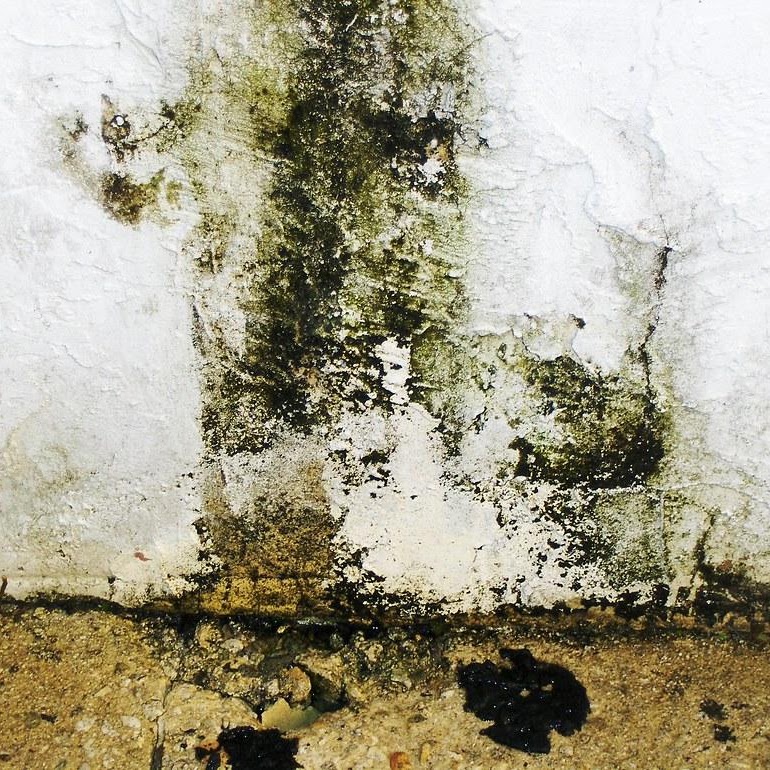
Our mold remediation approach combines containment and removal with attention to the moisture issues behind the problem. We help residential and commercial property owners take the next step toward resolving their mold concerns.
You don't need to have every answer before you call. Share what you know and we'll help you understand the next step.
Share your location and whether the building is a home, business, or another type of property.
Let us know which areas are affected and any information you already have about the issue.
Talk with our team about the work, your timing, and what comes next for your property.
Understand moisture control, independent assessment, and what to expect from cleanup.
Mold is a fungus that needs moisture, a food source, and suitable temperatures to grow. Building materials such as paper, fabric, and drywall can provide that food source. Plumbing leaks, roof or window leaks, flooding, high humidity, and condensation can create the conditions for growth. Mold may look fuzzy, slimy, or powdery and can produce a musty smell.
Source: P227 · Mold and moisture
Cleaning visible mold without addressing the water problem allows it to return. Controlling indoor humidity and repairing leaks are central to prevention. The source may involve plumbing, roofing, ventilation, or insulation, so confirm who will handle the necessary repairs. A remediation contractor may need a separate qualified tradesperson to correct a problem outside their expertise.
Source: P227 · Preventing mold growth · P228 · Moisture repairs
Usually not. The state fact sheet explains that a thorough visual inspection is the most important step and that there are no national or state standards defining a safe mold level. Mold spores naturally occur in the environment. If testing is proposed, ask why it is needed, what it will reveal beyond the inspection, and how the result will affect the plan and cost.
Source: P227 · Sampling and testing
NYSDOL recommends considering professional help when mold affects more than 10 square feet or you are sensitive to mold. That size is also the state’s covered-project boundary, not a health or DIY safety threshold. A property owner may also prefer professional help when they cannot confidently address the problem.
Source: NYSDOL · Household mold and covered projects · P227 · Hiring a professional
An assessment identifies the mold problem and produces a written mold remediation plan. The plan guides what needs to be done, the methods to use, and the criteria for deciding whether cleanup is complete. For a covered professional project, a licensed assessor prepares this plan before the remediation contractor begins the work.
Source: P227 · Assessments
No. New York separates assessment from remediation on the same property. The same licensee cannot perform both, and assessment and remediation providers cannot share an ownership interest. The assessor may perform the initial assessment and the post-cleanup assessment, while a separate remediation company performs the cleanup.
Source: P227 · Independent assessment · Labor Law §936
No. For a covered project, an owner’s waiver cannot replace the licensed assessor’s plan. The remediation contractor must obtain it, prepare a matching work plan, and give you that work plan before site preparation begins.
Source: NYSDOL · Assessments and owner waivers · Labor Law §946
New York does not set a standard assessment price. Compare assessment proposals for the same scope, including any proposed testing. Remediation pricing comes after the independent assessment: provide the assessor’s plan to remediation contractors so their quotes address the required work. Make sure you understand the services, testing charges, and completion criteria before agreeing to the project.
Source: P227 · Assessment costs and hiring · NYSDOL · Remediation estimates
You should receive the assessor’s mold remediation plan and share it with the remediation contractor. The contractor must then provide a mold remediation work plan that meets the assessment’s requirements and explains how the cleanup will be carried out. Review the scope, methods, any proposed products, and the clearance criteria before work begins.
Source: P227 · Plans and your copies · Labor Law §946
Use New York State’s contractor license search and individual license search. Confirm that the company and the people doing the work hold current licenses for their roles. Also ask about experience, references, and the proposed scope. A training certificate alone should not be treated as proof of a current state license.
The mere presence of mold does not, by itself, trigger an assessment or cleanup requirement under New York’s mold licensing law. If professionals are hired for covered mold work, they must follow the licensing and work standards. Rental owners still have responsibilities to provide clean, sanitary living conditions, and local housing or building requirements may also apply.
The remediation contractor performs the cleanup described in the assessor’s plan and the contractor’s work plan. Depending on the project, that may include containment, cleaning, removal of affected materials, and other specified measures to prevent mold from spreading. The work plan should explain the procedures and equipment to be used.
Source: P227 · Remediation work
No. NYSDOL does not recommend biocides as routine mold cleanup. On regulated projects, disinfectants, biocides, and antimicrobial coatings may be used only when specified in the remediation plan, EPA-registered for the intended use, and applied according to the label, with occupant sensitivities considered. Never mix bleach and ammonia, and do not simply paint or caulk over mold. Products do not replace removing the problem and correcting moisture.
Source: NYSDOL · Household mold precautions · P228 · Chemical use
A licensed assessor conducts a post-remediation assessment. A passed clearance report confirms that visible mold is absent from the work area, the work meets both plans, and the specified clearance criteria are satisfied. Where feasible, the assessor also checks whether the moisture issue has been addressed. If the project does not pass, the assessor issues a final status report explaining what remains to be done.
Keep your assessment, remediation plan, contractor’s work plan, and clearance or final status report with your property records. Follow the recommendations for moisture control and any further repairs. Check for returning leaks, condensation, or visible growth. Professional cleanup cannot permanently prevent mold if the conditions that allowed it to grow return.
Source: P227 · Moisture control and project plans · Labor Law §947 · Completion reports
Call (800) 320-6919 with your property location, the affected areas, and what you know about leaks or moisture. Let our team know whether an independent mold assessment has already been completed. If you have the assessor’s remediation plan, have it available so we can discuss the required work and next steps.